Why Southern California's Ocean Needs You
A Coastline Worth Protecting
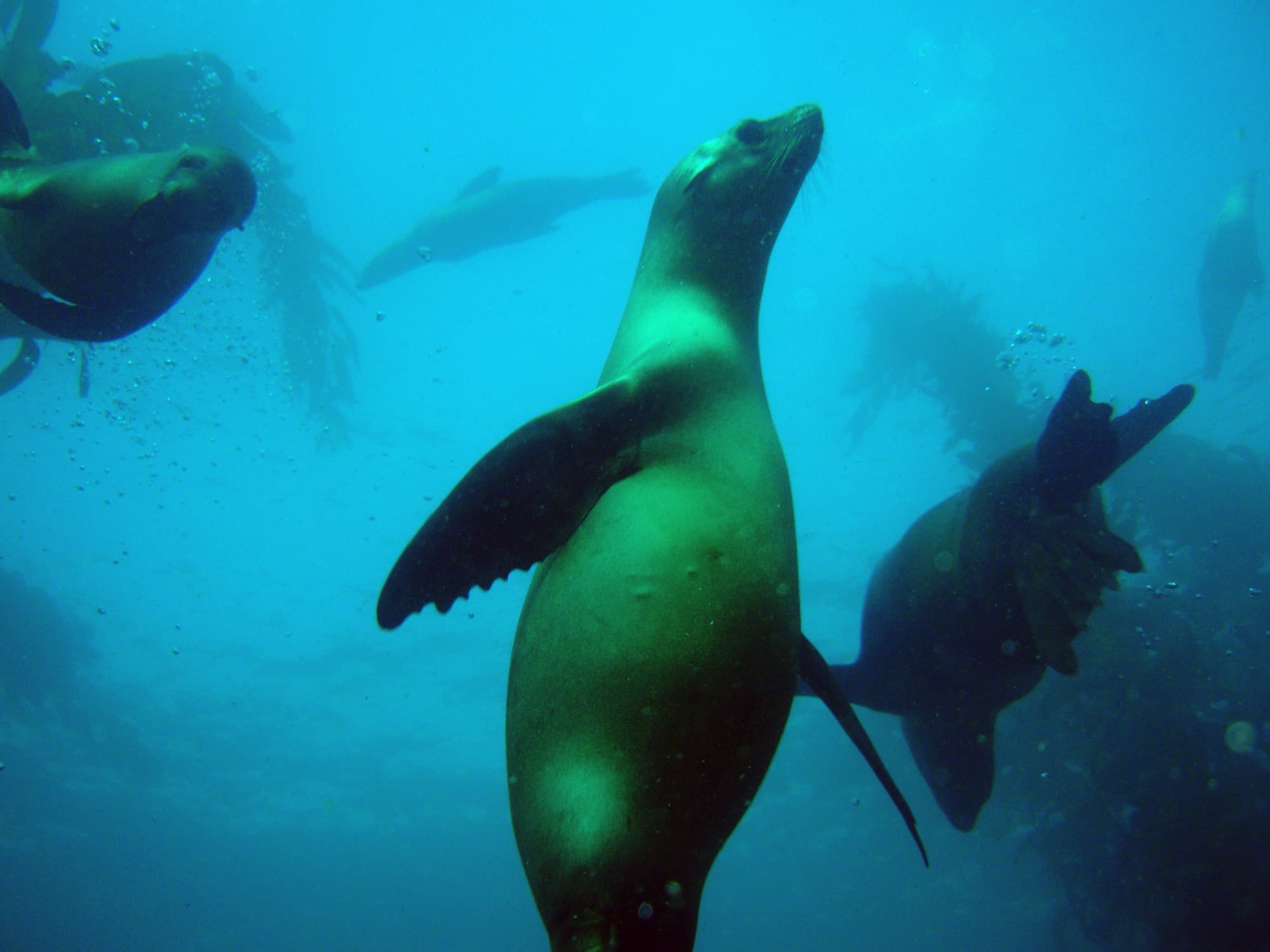
Stretching from Los Angeles to San Diego, the Southern California coast is home to some of the most diverse marine ecosystems in the world. Giant kelp forests, vibrant tide pools, coastal wetlands, and open ocean habitats support thousands of species, from tiny sea anemones to massive gray whales.
But this incredible stretch of coastline faces serious challenges. Pollution, climate change, habitat loss, and overuse are putting pressure on the very ecosystems that make our region so special.
The Challenges We Face
Plastic Pollution
Every year, an estimated 8 million metric tons of plastic enter the world's oceans. Here in Southern California, our beaches are on the front lines. Microplastics, tiny fragments smaller than a grain of rice, have been found in the sand at every beach tested along our coast. These particles are eaten by fish, seabirds, and marine mammals, entering the food chain and causing harm at every level.
Climate Change
Our ocean is getting warmer. In Southern California, rising water temperatures have contributed to massive kelp forest die-offs, shifts in fish populations, and more frequent marine heat waves. Warmer water holds less oxygen, creating dead zones where marine life cannot survive.
Habitat Loss
Over 90% of Southern California's coastal wetlands have been destroyed by development. These wetlands are critically important. They filter water, protect against flooding, provide nursery habitat for fish, and support migratory birds. Every wetland we lose makes our coast more vulnerable.
Urban Runoff
When it rains in Southern California (even though it does not rain often), stormwater carries oil, pesticides, fertilizers, trash, and bacteria from streets and yards directly into the ocean through storm drains. After a rain, many beaches post warnings against swimming because pollution levels are so high.
Why Young People Matter
You might think that solving these problems is a job for adults, scientists, or politicians. But young people have always been at the forefront of environmental change. Here is why your involvement matters:
- Fresh perspective: Young people see problems differently and come up with creative solutions
- Energy and passion: Young volunteers bring incredible energy and dedication to conservation
- Long-term thinking: The decisions we make today will shape the ocean you inherit tomorrow
- Community influence: When young people care about something, their families and communities follow
What You Can Do Right Now
1. Reduce Single-Use Plastics
Carry a reusable water bottle. Bring your own bags to the store. Say no to plastic straws. These small changes add up. If every student in a single school eliminated one plastic bottle per day, that would be over 65,000 bottles saved in a school year.
2. Join a Beach Cleanup
Nothing connects you to the ocean like spending a morning picking up trash along the shoreline. You will see firsthand what is washing up on our beaches, and you will leave knowing you made a visible difference.
3. Learn About Your Local Ecosystem
The more you understand about the species and habitats around you, the more motivated you will be to protect them. Explore our species profiles and ecosystem guides to discover what lives in your backyard.
4. Talk About It
Share what you learn with friends, family, and classmates. Post about conservation on social media. Write to your local representatives about issues that matter to you. Your voice has power.
5. Volunteer With Us
Orca Child in the Wild organizes monthly conservation events along the coast. Whether it is a beach cleanup, a tide pool exploration, or a water quality monitoring session, there is always a way to get involved.
The Good News
Despite the challenges, there is real reason for hope. California has some of the strongest environmental protections in the country. Marine protected areas along our coast are showing signs of recovery. Brown pelicans, once on the brink of extinction, now soar over every beach. Gray whales continue their annual migration past our shores.
When people come together to protect what they love, change happens. And it starts with you.