Microplastics: The Invisible Threat Hiding in Our Oceans
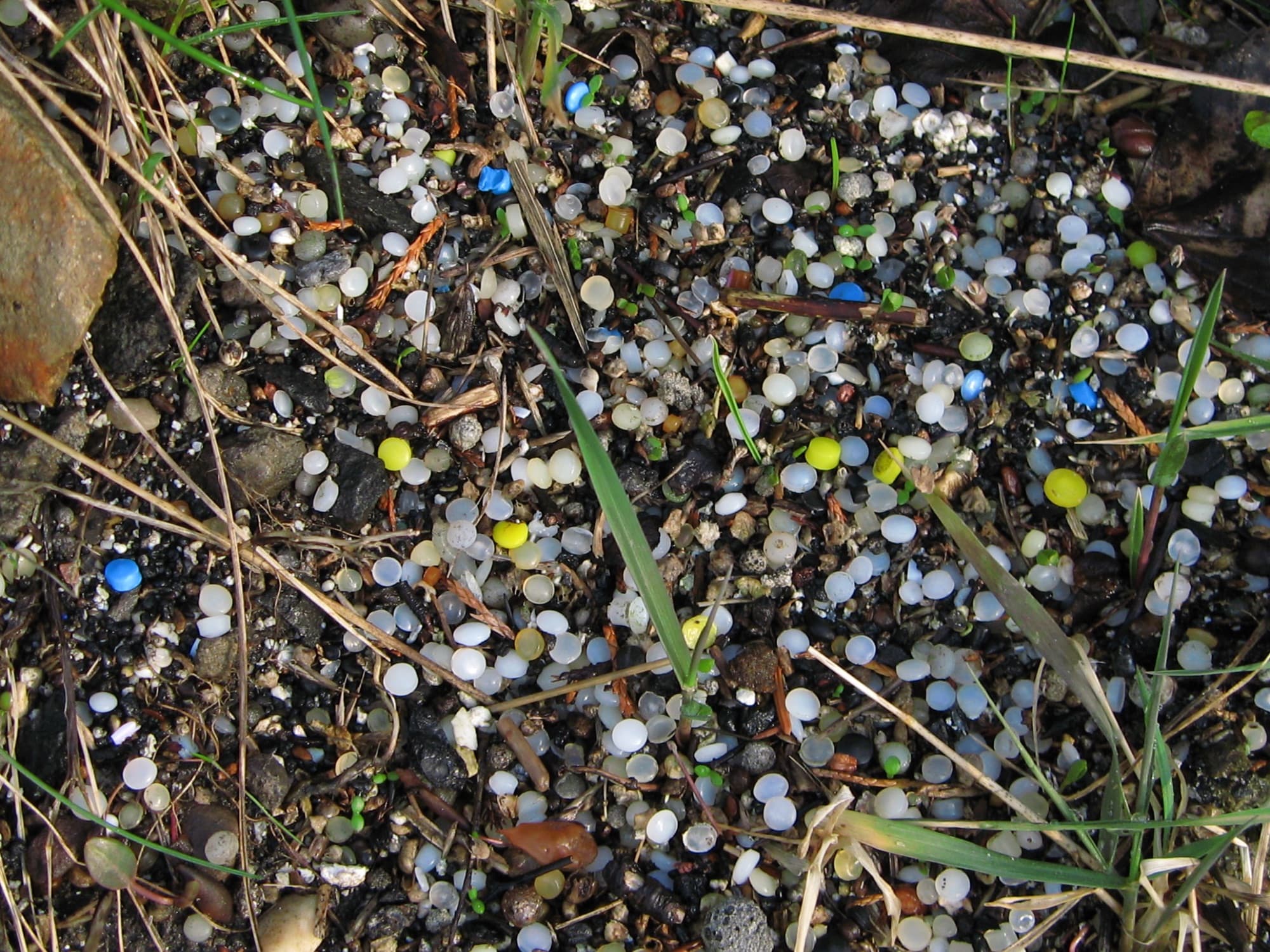
Pick up a handful of sand from almost any beach in the world and you're almost certainly holding plastic. Not the kind you can see easily, but something smaller. Much smaller. Microscopic. Fragments ground down by waves and UV radiation from bottles, bags, and packaging until they're invisible to the naked eye.
These are microplastics, and they are now one of the most widespread pollutants on Earth.
What Are Microplastics?
Microplastics are plastic particles smaller than 5 millimeters in diameter, roughly the size of a sesame seed or smaller, down to the size of a single bacterium. Scientists divide them into two categories:
Primary microplastics are manufactured small on purpose:
- Microbeads: tiny plastic spheres once added to exfoliating face scrubs and toothpastes (banned in the US since 2015, but still found in ocean sediments)
- Industrial pellets (also called "nurdles"): the raw material used to make almost all plastic products. Millions are spilled during shipping every year
- Synthetic textile fibers: released into water every time you wash polyester, nylon, or acrylic clothing. A single laundry load can release hundreds of thousands of fibers
Secondary microplastics are created when larger plastics break down:
- A plastic bottle left on a beach gets bleached by UV, becomes brittle, and shatters into thousands of fragments
- Fishing line, nets, and gear break down slowly over decades
- Plastic bags photo-degrade into confetti-sized pieces
How Much Is Out There?
The numbers are genuinely staggering.
Scientists estimate there are between 15 and 51 trillion microplastic particles in the world's oceans. For reference, astronomers estimate there are about 250 billion stars in the Milky Way galaxy.
Every square mile of ocean surface now contains an average of 46,000 pieces of plastic.
In Southern California specifically, researchers from USC and Scripps Institution of Oceanography have found microplastics in sediments off every major coastal city, in the tissues of fish caught locally, in the stomachs of seabirds, and in water samples from the deepest reaches of the San Pedro Channel.
One 2022 study found microplastics in the blood of 77% of humans tested in a study in the Netherlands, the first time microplastics were confirmed in human circulation.
What Does It Do to Marine Life?
The effects ripple up through every level of the food web.
Zooplankton and filter feeders. Tiny plastic particles look exactly like the phytoplankton and organic particles that form the base of the marine food chain. Zooplankton, mussels, oysters, and other filter feeders ingest microplastics instead of food. When animals fill their digestive systems with indigestible plastic, they stop eating real food, and they starve while their stomachs are "full."
Fish. Studies on fish caught off Southern California and elsewhere have found microplastics in their digestive tracts, gills, and muscle tissue. Anchovy, sardines, and smelt (which are eaten by seabirds, sea lions, dolphins, and larger fish) are particularly affected.
Seabirds. The Laysan albatross on Midway Atoll (over 2,000 miles from California) feeds its chicks plastic fragments floating in the Pacific. Chick mortality is high, and autopsies reveal stomachs packed with lighters, bottle caps, and fishing line. Closer to home, brown pelicans and terns are regularly found with plastic in their stomachs.
Sea turtles. Loggerhead and leatherhead sea turtles (both of which pass through Southern California waters) mistake plastic bags for jellyfish, their natural prey. Ingested plastic causes internal injuries and bowel obstruction.
Whales and dolphins. Blue whales off the coast of California feed almost continuously during summer. Because they gulp enormous volumes of krill-rich water, they also ingest whatever microplastics are suspended in that water. One study estimated blue whales off California may ingest 10 million pieces of microplastic per day.
The Chemical Problem
It's not just the physical presence of plastic particles that's dangerous.
Plastics are manufactured with chemical additives (plasticizers, flame retardants, UV stabilizers), many of which are toxic. As plastic breaks down in seawater, these chemicals leach out.
Worse, plastic acts as a sponge for other pollutants in the water. Persistent organic pollutants (POPs), like PCBs, DDT breakdown products, and flame retardants, concentrate on plastic surfaces at concentrations up to a million times higher than in the surrounding water. An animal that eats a microplastic particle is effectively eating a concentrated dose of some of the most persistent pollutants ever created.
Endocrine-disrupting chemicals, compounds that interfere with hormone systems, have been documented in Pacific salmon, California sea lions, and other species at levels linked to reproductive disruption, immune suppression, and developmental problems.
What About Humans?
Research is still emerging, but early findings are concerning.
- Microplastics have been found in human lungs, liver, blood, placentas, and breast milk
- People are estimated to ingest approximately 5 grams of plastic per week (about the weight of a credit card) through food, water, and air
- A 2023 study in New England Journal of Medicine found that people with microplastics and nanoplastics in their arterial plaque had a significantly higher risk of heart attack, stroke, and death compared to those without
The full health implications are still being studied. What's clear is that this is a global experiment being conducted on every living thing, with no control group.
Where Does Southern California's Plastic Come From?
California is the most populous state in the country, and it produces an enormous amount of plastic waste. But much of the plastic in our ocean doesn't come from littering on the beach.
Stormwater. When it rains, water flowing across streets, parking lots, and sidewalks collects plastic litter and carries it into storm drains, which flow directly to the ocean, often untreated. The Los Angeles River and San Gabriel River discharge enormous volumes of debris into Santa Monica Bay and San Pedro Bay after storms.
Illegal dumping. Plastic waste is illegally dumped in riverbeds and open land throughout the LA Basin, where it eventually makes its way to the ocean.
Fishing gear. "Ghost gear" (lost or abandoned fishing nets, lines, and traps) accounts for roughly 10% of ocean plastic by weight and represents some of the most harmful debris for marine life (entanglement).
Microfibers from wastewater. Even with modern filtration, significant quantities of synthetic textile fibers pass through wastewater treatment plants and into the ocean.
What Can We Actually Do?
This problem is real, it's serious, and individual choices do matter, though systemic change is essential.
Clean up before it gets into the water. The single most effective action is removing plastic from beaches, riverbanks, and stormwater paths before it enters the ocean. Every piece picked up is potentially millions of microplastic particles that won't be created. Join OCINW at our next cleanup event.
Use a laundry filter. Products like Cora Ball and Guppyfriend bags catch synthetic microfibers before they leave your washing machine. They're inexpensive and make a measurable difference.
Reduce single-use plastic. Plastic bags, straws, cutlery, and packaging don't decompose. They just break into microplastics. Reusable alternatives genuinely help.
Support producer responsibility legislation. Some of the most impactful change comes from requiring manufacturers to reduce plastic production and fund cleanup programs. California's SB 54 (the Plastic Pollution Prevention and Packaging Producer Responsibility Act) is one of the strongest laws of its kind anywhere in the world.
Talk about it. Awareness drives behavior change and political will. The more people understand what's in our ocean, the stronger the demand for real solutions becomes.
The ocean doesn't need perfection. It needs action.