Your First Beach Cleanup: What to Expect and How to Prepare
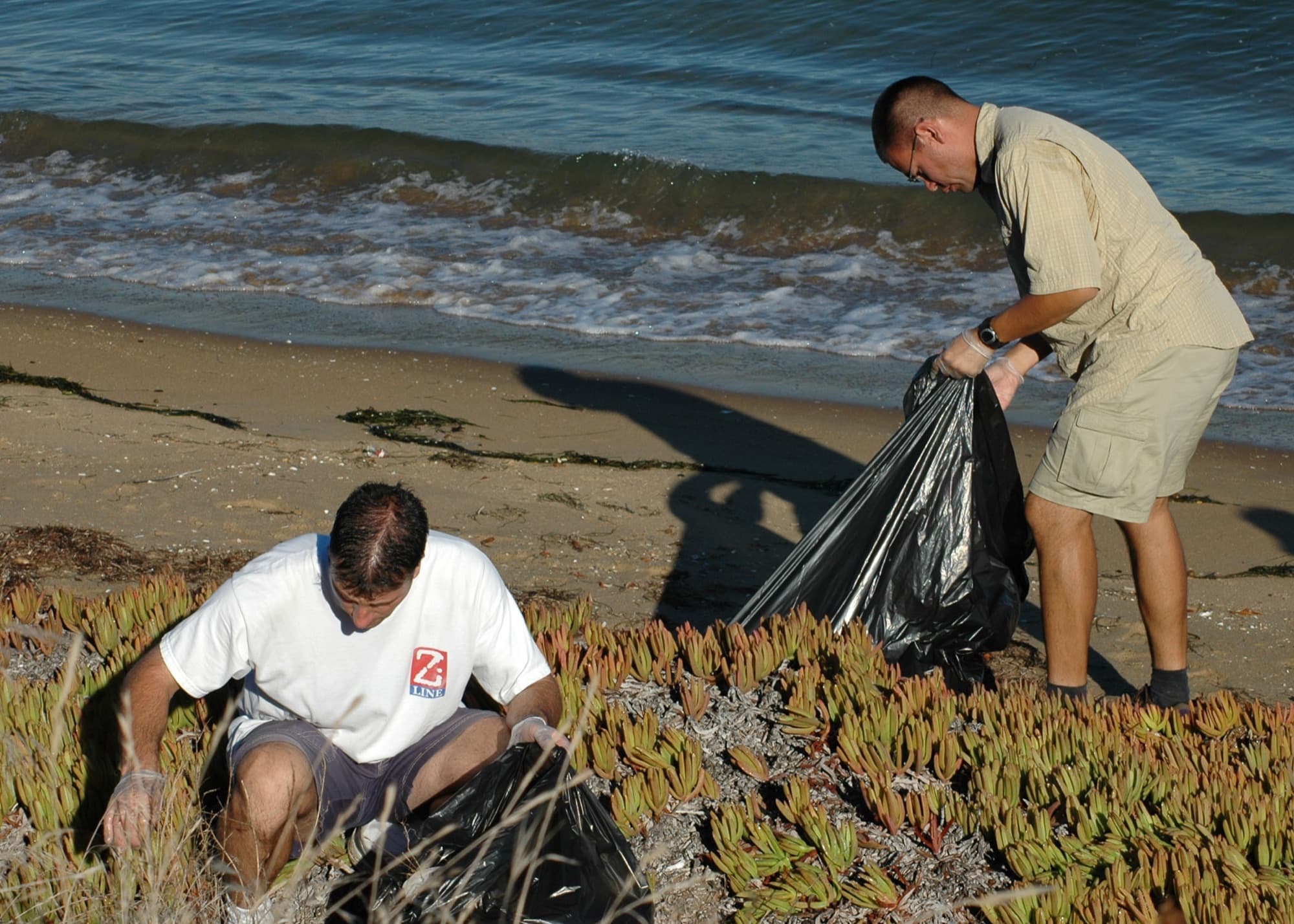
You signed up for a beach cleanup. Maybe a friend convinced you, or you saw a post online, or you just got tired of watching plastic pile up on your favorite beach. Whatever brought you here, welcome. You made a great decision.
Here's everything you need to know before you show up.
What Actually Happens at a Cleanup
Beach cleanups are simple. There's no training required, no certifications, no prerequisites. Here's the basic flow:
1. You arrive at the meeting point. OCINW cleanups start with a quick briefing (usually 10–15 minutes) covering the area we'll cover, any safety considerations (uneven terrain, jellyfish in the water, sun exposure), and how to sort and record what we find.
2. You get your supplies. We provide gloves, bags, and data collection sheets. If you have your own reusable gloves, bring them, since it means less waste.
3. You fan out and clean. Groups spread across the assigned stretch of beach, dunes, or waterway. Most people work in pairs or small groups.
4. You sort and document. This is where citizen science comes in. We log what we find: how many plastic bottles, how many cigarette butts, how many fishing lines, how much foam. That data goes into the Ocean Conservancy's Trash Free Seas database and is used by researchers and policymakers worldwide.
5. Bags go to the designated collection point. Organizers coordinate with the venue for proper disposal. Anything recyclable gets separated.
6. We wrap up. Usually a quick group moment to share what we found, sometimes photos, always a good feeling.
Most OCINW cleanups run 2–3 hours. Some people stay the whole time; some can only make an hour. Both are genuinely fine.
What to Bring
Essentials
- Water: at least 32 oz per person. Beach cleanups happen in the sun and you'll be moving constantly.
- Sunscreen: apply before you arrive and bring extra to reapply. SPF 30 minimum; reef-safe formulas are best near the water.
- Closed-toe shoes: sandals are a bad idea. Beaches have hidden glass, metal, and sharp debris. Wear sneakers, hiking shoes, or water shoes.
- Gloves: we provide disposable gloves, but if you have your own reusable pair, bring them.
- A hat: your neck and face will thank you.
Nice to Have
- A reusable water bottle: avoid single-use plastic at a plastic cleanup. The irony is real.
- Sunglasses: polarized lenses help you spot debris in shallow water
- Long pants: if you're going into vegetation or dune grasses where ticks could be a concern
- A small first aid kit: a few bandages go a long way
- A phone or camera: we encourage photos of interesting or unusual finds (before you pick them up)
What to Leave at Home
- Valuables: you'll be setting your bag down and walking away from it
- Dogs: unless the event specifically says dogs are welcome (some beaches don't allow them)
- White clothes: you'll be handling dirty objects in wet sand
What to Wear
- Comfortable athletic clothes that you don't mind getting dirty
- Layers: coastal mornings can be cool even in summer; afternoons warm up fast
- Clothes that cover your shoulders if you burn easily; long-sleeve sun shirts are popular
Bringing Kids
Beach cleanups are excellent family activities. OCINW cleanups are youth-friendly by design, since this is a youth-led organization after all.
Tips for bringing younger children:
- Kids 7 and under should stay close to a parent and stick to obvious, easy-to-reach debris
- Give younger kids one bag that's "theirs" to fill, because ownership drives engagement
- Celebrate every find enthusiastically. Children especially love finding unusual items
- Take breaks as needed, since a short snack break keeps energy up and spirits high
Children under 13 must be accompanied by a parent or guardian.
The Data Collection Part
This is the part that surprises most first-timers. You're not just picking up trash. You're doing science.
Each volunteer fills out a simple tally sheet as they clean. For each piece of debris, you mark:
- The category (bottle caps, cigarette filters, plastic bags, food wrappers, fishing line, etc.)
- Approximate quantity
At the end of the event, the totals from all volunteers are combined and submitted to the International Coastal Cleanup database, a global effort coordinated by the Ocean Conservancy. Your data joins a worldwide dataset of over 300 million pounds of debris documented since 1986.
That data drives real policy. The discovery that cigarette butts are consistently the most common item found at beach cleanups worldwide has led to tobacco company extended producer responsibility laws in multiple countries. Counting matters.
The Most Common Things We Find
Based on cleanup data from Southern California beaches:
- Cigarette butts: by far the most common item at almost every location
- Food wrappers: chip bags, candy wrappers, fast food packaging
- Plastic bottles and caps: counted separately, because caps float away from bottles
- Foam (styrofoam) pieces: these break into smaller and smaller pieces, impossible to fully clean
- Plastic straws: less common since straw bans, but still abundant
- Fishing line and hooks: particularly dangerous to wildlife, always handled carefully with gloves
- Plastic bags: decreasing due to California's bag ban, but still present in significant numbers
After the Cleanup
You'll leave tired and probably a little sandy. You might smell like sunscreen and ocean. Your bag of collected trash will weigh more than you expected.
And somewhere in that experience (somewhere in seeing the pile of bags lined up, in knowing the exact weight and type of what you removed) something clicks. The ocean stops being an abstraction and becomes something real that you're actively protecting.
That's what keeps people coming back.
Sign up for our next cleanup event and be part of something that matters.