Citizen Science: How Kids Can Contribute to Real Research
What Is Citizen Science?
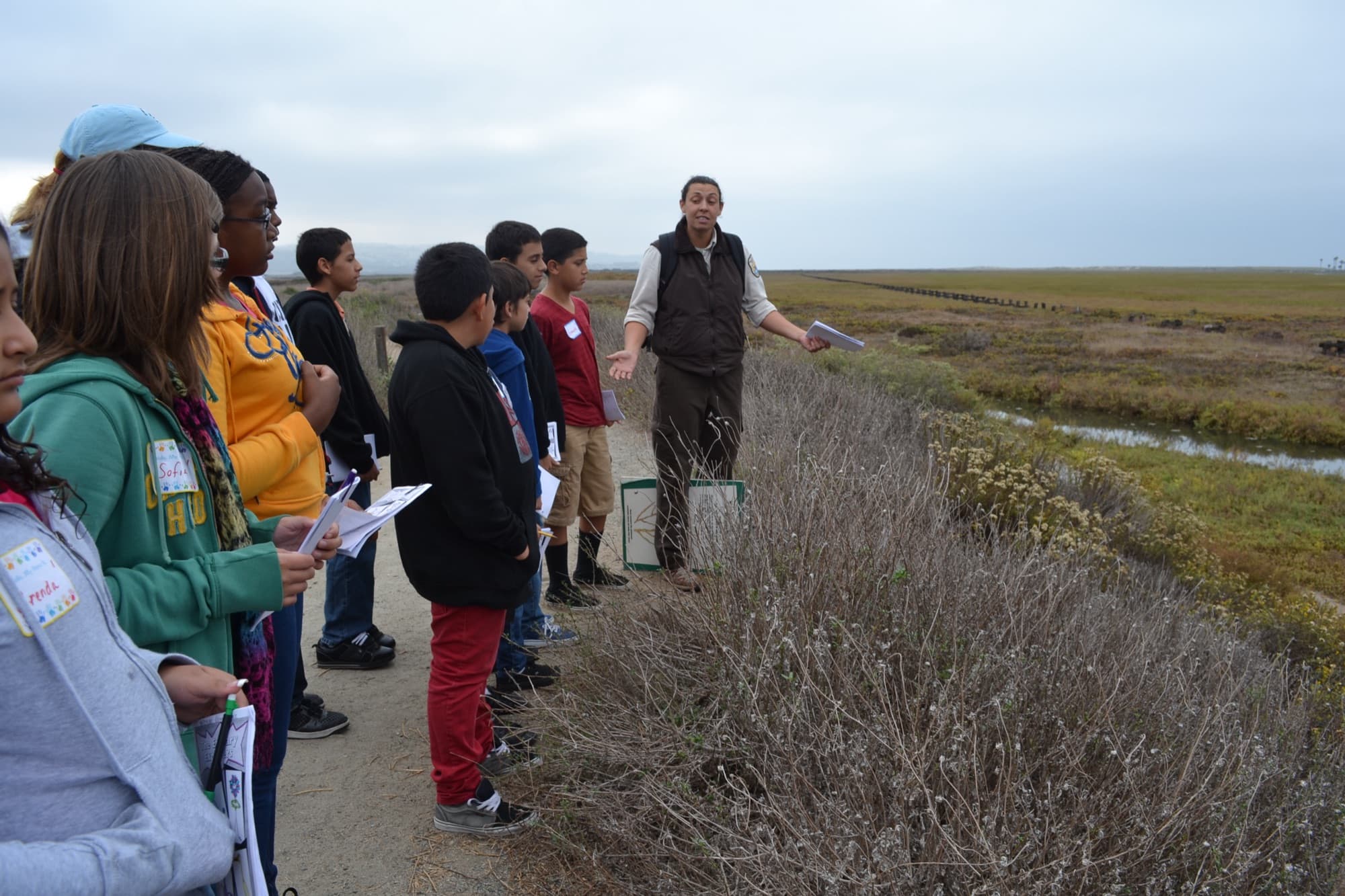
Citizen science is when regular people, not just professional researchers, help collect scientific data. And yes, that includes kids. All over the world, young people are counting birds, measuring water quality, tracking whale migrations, and recording tide pool species. Their data is used by real scientists to understand and protect the natural world.
The best part? You do not need expensive equipment or years of training. You just need curiosity, careful observation, and a willingness to follow simple instructions.
Why Scientists Need Your Help
Here is something most people do not realize: scientists cannot be everywhere at once. The Southern California coastline stretches over 200 miles, with thousands of tide pools, beaches, and waterways. No research team, no matter how well-funded, can monitor all of it.
That is where citizen scientists come in. When hundreds or thousands of volunteers collect data across a wide area, researchers get a picture of the environment that would be impossible to build alone.
Citizen Science Projects You Can Join
Beach Cleanup Data Collection
Every time you participate in an OCINW beach cleanup, you are doing citizen science. We sort and count every piece of trash we collect. This data helps researchers understand pollution patterns: what types of trash are most common, where they come from, and how pollution changes over time.
Water Quality Monitoring
Our Carlsbad Lagoon Water Quality Watch trains volunteers to measure things like:
- pH: How acidic or basic the water is
- Dissolved oxygen: How much oxygen is available for marine life
- Turbidity: How clear or cloudy the water is
- Temperature: Water temperature affects which species can survive
Whale Watching Reports
During gray whale migration season (December through April), you can report whale sightings to organizations like the American Cetacean Society. Your sightings help track migration patterns and population trends.
iNaturalist
The iNaturalist app lets you photograph any plant or animal and upload it to a global database. Scientists use this data to track species distribution, discover new populations, and monitor biodiversity. It is like a real-life Pokedex for nature.
CoastSnap
CoastSnap is a project where you take photos of the beach from fixed locations over time. Scientists use these photos to track how beaches change due to erosion, sea level rise, and storms.
How to Be a Good Citizen Scientist
1. Follow the Protocol
Every citizen science project has specific instructions for how to collect data. Follow them carefully. Consistency is what makes citizen science data reliable.
2. Be Honest
Record exactly what you observe, even if it is not what you expected. A "boring" result is just as valuable as an exciting one. Never make up data or guess.
3. Take Notes
Write down the date, time, location, weather conditions, and anything unusual you notice. The more context you provide, the more useful your data becomes.
4. Ask Questions
If you do not understand something, ask. Citizen science is about learning while contributing. There are no silly questions.
5. Be Patient
Science takes time. You might not see the impact of your data right away, but it is being used. Every data point adds to our understanding of the natural world.
Real Impact from Young Scientists
Citizen science data collected by young people has contributed to:
- Banning single-use plastic bags in multiple California cities
- Identifying new populations of endangered species
- Tracking the recovery of brown pelicans after DDT contamination
- Monitoring the spread of invasive species along the coast
- Documenting the effects of climate change on tide pool communities
When you collect data, you are not just playing scientist. You are doing real science with real impact.
Get Started Today
Ready to become a citizen scientist? Here is how:
- Join an OCINW event: Our cleanups and monitoring sessions include data collection
- Download iNaturalist: Start photographing wildlife on your next beach visit
- Check out SciStarter.org: A database of citizen science projects you can join
- Tell your teacher: Many citizen science projects can be integrated into school curricula
The ocean needs more eyes, more hands, and more curious minds. Your observations matter. Your data matters. You matter.