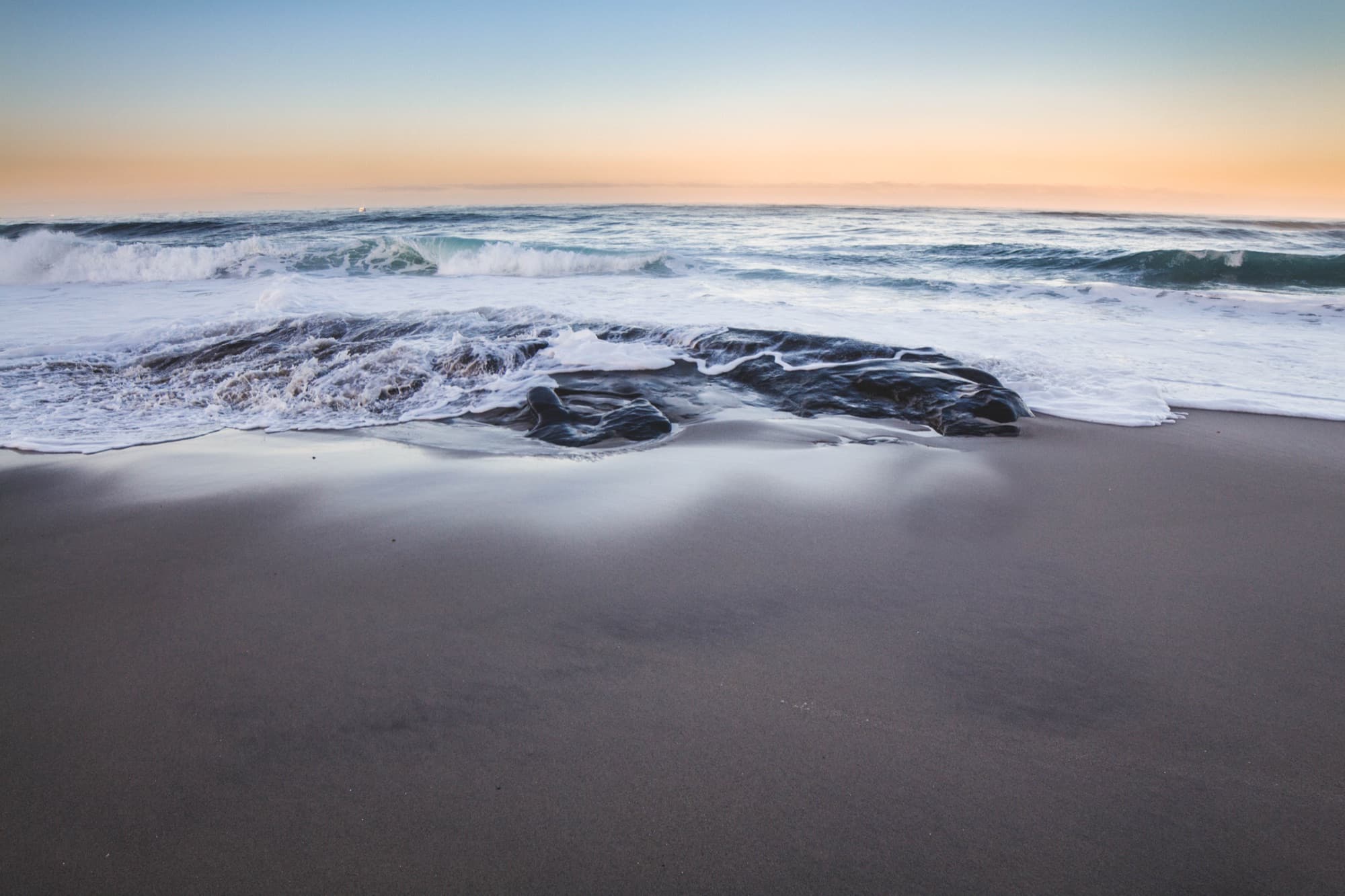
Sandy Beach Ecosystems
Sandy shorelines from Los Angeles County to the U.S.-Mexico border
More Than Just Sand
When most people think of a beach, they picture a place to lay out a towel, build a sandcastle, or play in the waves. But beneath the surface of every sandy beach is a living ecosystem with its own food web, its own specialists, and its own ecological importance. Sandy beaches might look empty compared to a coral reef or a kelp forest, but they are home to a surprising community of organisms that have evolved to thrive in one of the most physically demanding habitats on Earth. The sand is constantly shifting with waves and wind, temperatures swing from cool and damp to blazing hot within hours, and there is almost nowhere to hide from predators. The creatures that live here are tough, resourceful, and far more numerous than you might expect. Sandy beaches also serve as critical connectors between marine and terrestrial ecosystems, and they provide essential services including coastal protection from storms, nutrient cycling, and water filtration.
SoCal's Sandy Shores
Southern California's sandy beaches stretch for hundreds of miles, and while they may all look similar at first glance, each one has its own character and ecological profile. Carlsbad State Beach offers a mix of sandy and cobblestone stretches with relatively low foot traffic in some areas, giving wildlife more breathing room. Torrey Pines State Beach, below the iconic bluffs of the Torrey Pines State Natural Reserve, is one of the most ecologically intact beaches in San Diego County, with limited development and careful management. Manhattan Beach in Los Angeles County is a heavily used urban beach that demonstrates both the challenges and the resilience of sandy beach ecosystems in cities. And Coronado Beach, consistently rated among the best beaches in the country, supports active grunion spawning runs and shorebird habitat despite significant recreational pressure. Each of these beaches tells a different story about the relationship between people and coastal ecosystems.
Hidden Life in the Sand
The food web of a sandy beach starts not with something growing in the sand itself, but with what the ocean delivers. Kelp wrack, the piles of seaweed washed ashore by waves, is the foundation of the entire beach food chain. As kelp decomposes, it feeds a bustling community of kelp wrack invertebrates including flies, beetles, and worms that break down the organic material and return nutrients to the ecosystem. Beach hoppers, also called sand fleas, are tiny crustaceans that swarm around wrack piles at night, feeding on decaying algae and in turn becoming food for shorebirds. Sand crabs, also known as mole crabs, live in the swash zone where waves wash up and back, filter-feeding on plankton and detritus carried in each wave. They are a critical food source for shorebirds, surfperch, and other predators. The Western snowy plover, a small and threatened shorebird, nests directly on the dry sand above the high tide line, laying camouflaged eggs that are nearly invisible against the sand. And the California grunion performs one of the most remarkable spawning rituals in nature: on certain spring and summer nights, these small silvery fish ride the highest waves onto the beach, where females bury themselves tail-first in the wet sand to lay eggs before the next wave carries them back to the sea. The eggs incubate in the warm sand for two weeks until the next high tide washes them free and the larvae hatch into the ocean.
Threats Hiding in Plain Sight
Many of the biggest threats to sandy beach ecosystems are activities that most people consider normal or even helpful. Beach grooming, the practice of mechanically raking and leveling sand to create a clean, uniform surface for beachgoers, removes kelp wrack and the entire invertebrate community that depends on it. Without wrack, the beach food web collapses from the bottom up. Cities that groom their beaches daily are essentially sterilizing the ecosystem every morning. Coastal armoring, including seawalls, riprap, and jetties, is built to protect beachfront property from erosion, but it prevents the natural movement of sand and gradually narrows the beach, squeezing out habitat for nesting birds and other wildlife. Plastic pollution is pervasive on every beach in Southern California. Microplastics, fragments smaller than five millimeters, are now found in sand samples from even the most remote beaches and are ingested by sand crabs, beach hoppers, and other small organisms, entering the food chain. Light pollution from beachfront development disorients grunion during spawning runs and confuses newly hatched sea turtle and shorebird chicks, drawing them away from the ocean toward dangerous roads and buildings. And sea level rise is gradually eroding the dry sand habitat that snowy plovers and other species need to survive.
Protecting the Beach Beyond Picking Up Trash
Beach cleanups are a great starting point, and every piece of plastic you remove matters. But protecting sandy beach ecosystems goes further than picking up litter. You can advocate for reduced beach grooming in your community by attending city council meetings and explaining why kelp wrack is not trash but rather the foundation of the beach food web. Many cities have begun adopting seasonal grooming schedules or leaving wrack in place on less-trafficked stretches of beach after hearing from community members. During grunion season (March through September), you can participate in grunion monitoring programs run by the California Department of Fish and Wildlife and Pepperdine University, counting and observing spawning runs to help scientists track population health. If you live near a snowy plover nesting area, you can volunteer as a nest warden, helping keep beach visitors and dogs at a safe distance from nesting sites during the critical spring and summer months. Reducing your plastic footprint at home, especially single-use items like bags, bottles, straws, and food wrappers, directly reduces the amount of plastic that reaches the beach. And simply sharing what you know can shift how people see the beach. When your friends and family understand that the wrack line is a buffet, not a mess, and that the "empty" sand is full of life, they start to treat the beach not just as a playground but as a habitat worth protecting.