The Secret Life of Kelp Forests: Southern California's Underwater Rainforests
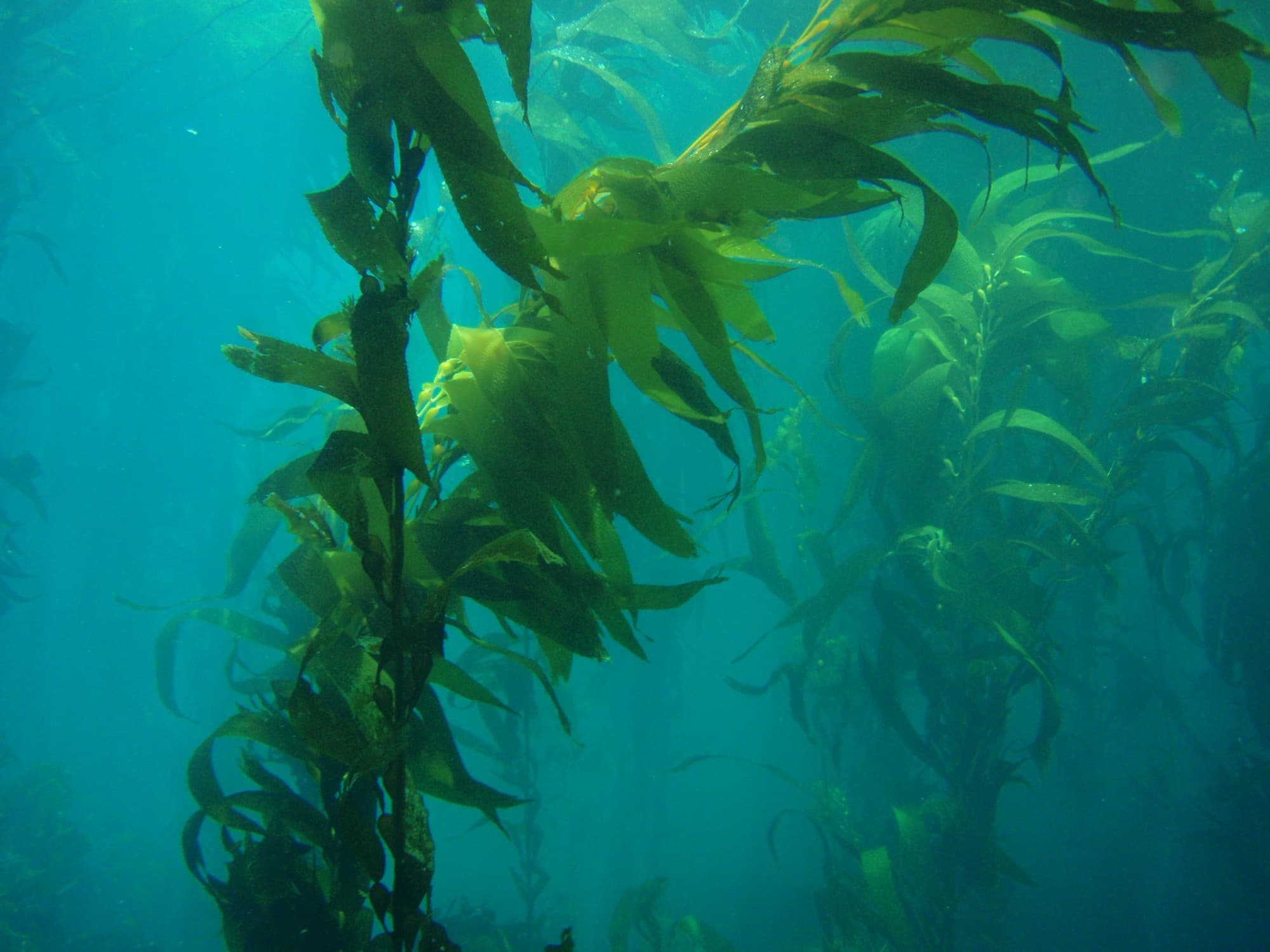
Beneath the surface of Southern California's ocean, just off our most famous beaches, an ancient forest sways in the current. It grows faster than almost any other organism on Earth. It shelters more species than many tropical rainforests. And it's in trouble.
Kelp forests are one of the most productive ecosystems on the planet, and protecting them is one of the most urgent marine conservation challenges on our coast.
What Is Kelp, Exactly?
Giant kelp (Macrocystis pyrifera) is not a plant. It's a type of brown algae, technically a member of the kingdom Chromista, more closely related to diatoms than to a tree. But it grows like no other organism:
- Up to two feet (60 cm) per day under ideal conditions
- Reaching heights of 150 feet (45 meters) from the seafloor to the surface
- Living for several years, with individual fronds living just a few months before being shed
Kelp attaches to rocky seafloor using root-like structures called holdfasts, which are not roots in the plant sense, because they don't absorb nutrients. Instead, kelp absorbs everything it needs directly from the surrounding water: sunlight (for photosynthesis), carbon dioxide, nitrogen, phosphorus, and trace minerals.
Gas-filled bladders at the base of each frond called pneumatocysts act like buoys, keeping the kelp canopy upright and reaching toward sunlight.
The Forest Structure
Like a land forest, a kelp forest has distinct layers:
The canopy: the surface layer where the fronds spread out, capturing maximum sunlight. This is where you'll see California sea lions rolling and playing, and where pelicans and cormorants dive.
The mid-water column: thousands of fish species shelter and hunt here among the swaying fronds. Garibaldi (California's state marine fish, brilliant orange and protected by law), kelp bass, señorita fish, and halfmoon are all common.
The kelp floor: the bottom layer, where holdfasts create complex habitat for lobsters, moray eels, sea cucumbers, brittle stars, and hundreds of invertebrate species.
Urchin barrens: what happens when the system breaks down. More on this below.
What Lives in a Kelp Forest?
The biodiversity of a healthy kelp forest rivals anything on land. Just a few highlights from Southern California waters:
- Giant black sea bass: can reach 800 lbs and 75 years old, once nearly extinct, now slowly recovering under full protection
- Blue rockfish, Vermilion rockfish, Copper rockfish: long-lived species (some over 100 years old) that shelter in kelp and rocky reefs
- Pacific harbor seals and California sea lions: both hunt and rest in kelp forests
- Leopard sharks: harmless to humans, common in shallow kelp habitats
- Bat rays: graceful bottom feeders
- Thousands of invertebrate species, from sponges and nudibranchs to ghost shrimp and octopuses
Kelp forests also support seabird populations. Brown pelicans, Brandt's cormorants, and western grebes all depend on the fish that kelp habitat produces.
The Urchin Problem
Here's where the story gets complicated.
Purple sea urchins (Strongylocentrotus purpuratus) are a normal and important part of kelp forest ecosystems. They eat kelp holdfasts and drifting kelp fragments. In a balanced ecosystem, their population is kept in check by predators: primarily sea otters, sunflower sea stars, and sheephead fish.
But when predators disappear (through hunting, disease, or human impact), urchin populations explode. Unchecked urchins switch from grazing on drift kelp to actively attacking living kelp holdfasts, mowing down entire forests.
What's left is called an urchin barren: a flat, rocky wasteland covered in spiny purple urchins, with almost no other life. Once a kelp forest collapses into a barren, recovery can take decades, or may not happen at all without intervention.
This is exactly what happened along much of California's coast.
In 2013–2014, a combination of factors hit simultaneously:
- Sea Star Wasting Syndrome killed 80%+ of sunflower sea stars (a key urchin predator) from Alaska to Baja California
- A warm water "Blob" (a massive marine heat wave) reduced the cold, nutrient-rich conditions kelp needs
- Urchin populations exploded without their main predator
By 2021, Northern California had lost more than 95% of its kelp forests. Southern California fared somewhat better, but still experienced significant losses.
Why Kelp Forests Matter Beyond the Ocean
Kelp forests aren't just important for marine life. They're important for us.
Carbon capture. Kelp absorbs carbon dioxide from the water as it grows, just as land forests absorb CO₂ from the air. As kelp dies and sinks to the deep ocean floor, that carbon is sequestered, locked away for potentially thousands of years. Researchers are actively studying whether restoring kelp forests could be a meaningful climate solution.
Coastal protection. Dense kelp canopies absorb wave energy, reducing erosion along nearby beaches.
Fisheries support. Many of the commercially and recreationally important fish species along the California coast depend on kelp forest habitat at some point in their lives. Losing kelp means losing fish.
Tourism and recreation. Kelp forest diving is one of the most popular scuba experiences in the world. Operators across Southern California depend on healthy kelp ecosystems.
Recovery Efforts in Southern California
The good news: kelp is resilient when conditions allow, and there are active efforts to restore it.
Urchin removal programs. Trained divers physically remove purple urchins from barrens, giving kelp recruits a chance to establish. Organizations like the Reef Check Foundation and the Bay Foundation run ongoing programs in Southern California waters.
Sea otter recovery. Southern sea otters are slowly expanding their range southward from their current population center near Monterey. Where otters go, urchin populations fall and kelp recovers. This has been documented repeatedly.
Sunflower sea star restoration. The Sunflower Sea Star (Pycnopodia helianthoides), the most voracious urchin predator, was driven to near-extinction by wasting syndrome. Scientists are working on captive breeding programs to reintroduce it.
Kelp seeding. Researchers at UC San Diego and several other institutions are experimenting with seeding juvenile kelp onto prepared rocky surfaces in areas where urchin barrens have formed.
How You Can Help
You don't need to be a scientist or diver to help protect kelp forests.
Reduce plastic pollution. Plastic waste breaks down into microplastics that enter the marine food web, affecting the health of every organism in a kelp forest ecosystem. Every piece of litter you pick up off a beach (or don't leave in the first place) matters.
Support marine protected areas. California has one of the strongest MPA systems in the world. These no-take zones give kelp ecosystems breathing room to recover. Support and advocate for their continued funding.
Come to a beach cleanup. Removing trash from beaches and waterways protects the coastal water quality that kelp forests depend on. Join us at our next event.
Eat sustainably. Many commercial fishing practices damage seafloor habitat that kelp depends on. Using seafood guides from the Monterey Bay Aquarium's Seafood Watch program helps you make choices that support healthier ecosystems.
The kelp forests of Southern California built this coast. With care and action, we can keep them here.