How to Spot Marine Debris: A Field Guide for Young Scientists
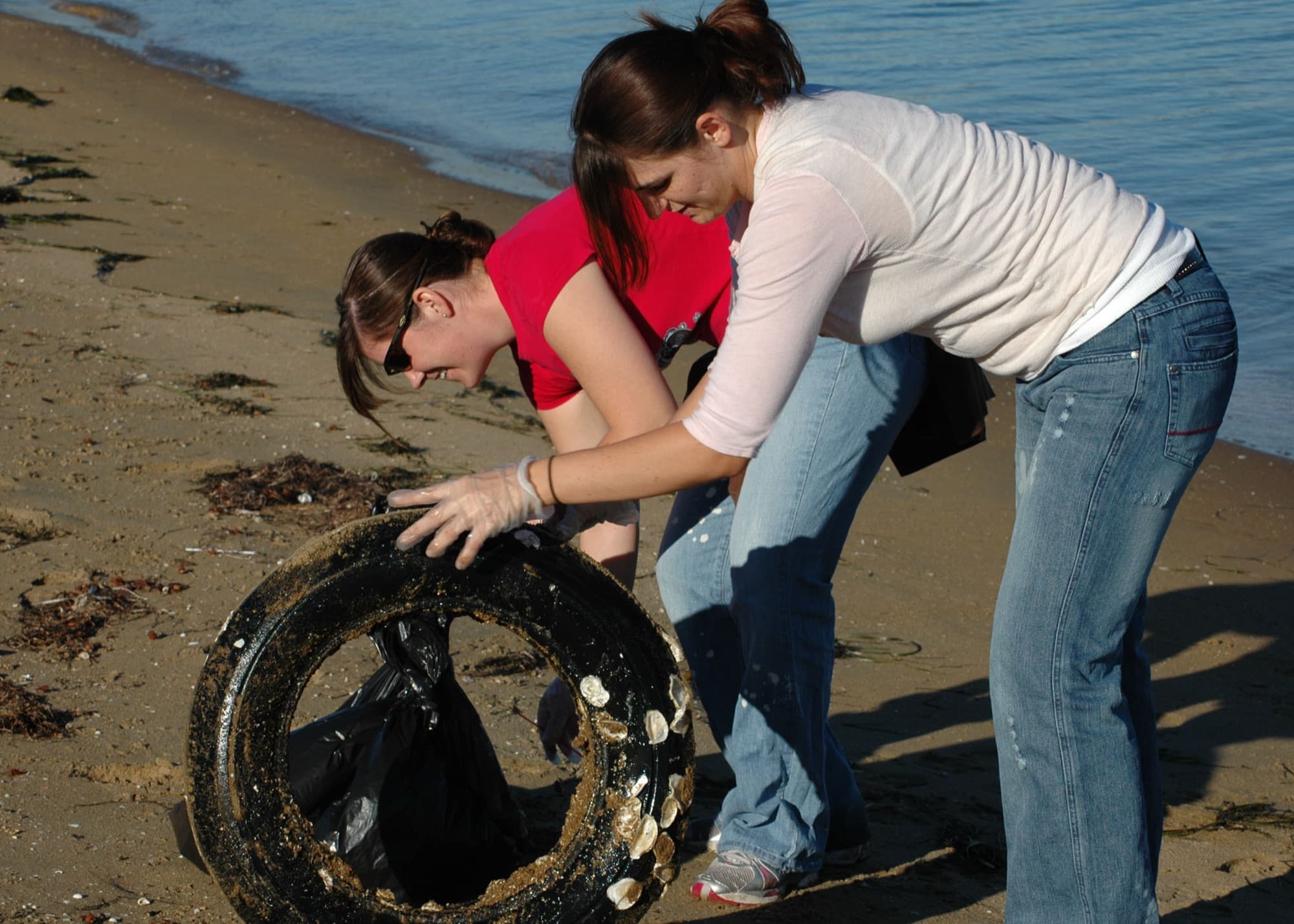
There's a difference between picking up trash and documenting marine debris. Both are valuable. But when you know what you're picking up and why it matters, you become something more than a volunteer. You become a citizen scientist contributing to a global body of research.
This guide will help you identify the most common types of marine debris found on Southern California beaches, understand where they came from, and know exactly how to record what you find.
What Is Marine Debris?
Marine debris is any persistent solid material that is manufactured or processed and directly or indirectly, intentionally or unintentionally, disposed of or abandoned into the marine environment or the Great Lakes.
In plain terms: it's human-made stuff that ends up in the water or on the beach that shouldn't be there.
Not everything you find on the beach is marine debris. Seaweed, kelp, shells, driftwood, and feathers are natural parts of the beach ecosystem. Leave them alone. They're doing important work (feathers and shells are also legally protected in many cases).
The Major Categories
1. Hard Plastics
The most common and versatile category. Hard plastics retain their shape even after years in the water.
What to look for:
- Plastic bottles (water, soda, condiments)
- Bottle caps and lids, which separate from their bottles and are counted separately
- Straws and stirrers
- Plastic utensils (forks, spoons, knives)
- Food containers and trays
- Toys and toy parts
- Plastic buckets, shovels, garden tools
- PVC pipe fragments
- Plastic pellets (nurdles), tiny lens-shaped beads used to manufacture plastic products; they look like fish eggs
How to record: Count each item separately. A bottle and its cap are two entries. A six-pack ring counts as one item.
Where it comes from: Storm drains, littering, beachgoer waste, river systems, illegal dumping.
2. Cigarette Products
Consistently the most-found item at beach cleanups worldwide, including every survey ever conducted on Southern California beaches.
What to look for:
- Cigarette filters (the white/tan fibrous tip, which is not cotton; it's actually cellulose acetate plastic)
- Cigarette packaging (soft and hard packs)
- Loose tobacco
- Cigar tips
- E-cigarette cartridges and components
How to record: Cigarette butts are counted individually. If you find more than 50 in a concentrated area, estimate ("approximately 75") and note the location.
Where it comes from: People flicking cigarettes into sand, storm drain runoff, outdoor dining areas.
Why it matters: Cigarette filters are not biodegradable despite what many people believe. They photo-degrade into smaller and smaller plastic fragments, releasing toxic chemicals including nicotine, arsenic, and formaldehyde into the water. They're the number one cause of childhood poisoning calls related to environmental exposure in the US.
3. Food Wrappers and Packaging
What to look for:
- Chip bags, candy wrappers, granola bar packaging
- Fast food wrappers, napkins (paper and plastic)
- Styrofoam cups and food containers
- Paper bags
- Coffee cup sleeves and lids
- Sauce packets, condiment containers
- Sticker labels peeled off bottles
How to record: Group by type where possible. "Chip bags: 4" is more useful than "food wrappers: 12."
Why it matters: Multi-layer flexible packaging (like chip bags and candy wrappers) cannot be recycled in most curbside programs. It degrades into microplastics and is mistaken for food by fish, seabirds, and marine mammals.
4. Foam (Expanded Polystyrene / "Styrofoam")
What to look for:
- Foam food containers (take-out boxes, cups)
- Foam packaging peanuts
- Foam insulation fragments
- Small white balls or pellets (broken-down foam)
How to record: Foam items are counted by piece. Large chunks and small fragments are both counted. Note if you find the material in extreme quantities in a confined area. This may indicate a nearby source.
Special handling note: Foam is one of the most difficult materials to fully remove because it breaks into smaller and smaller pieces as you handle it. Use a fine mesh scoop or dustpan for small fragments if available.
Why it matters: Foam is essentially 98% air, so it floats well and travels far. It never fully biodegrades; it only breaks into smaller particles. California's statewide ban on polystyrene food containers went into effect in 2022, but pre-ban material is still abundant in the environment.
5. Fishing Gear ("Ghost Gear")
What to look for:
- Monofilament fishing line, the clear, thin line used in recreational fishing
- Braided fishing line, thicker and colorful, often green or blue
- Fishing hooks: handle with extreme care; always use gloves and place in a puncture-resistant container
- Lead fishing weights (sinkers)
- Lures and bait containers
- Crab trap materials
- Commercial fishing net fragments
- Rope and cordage from boats or fishing operations
How to record: Monofilament line is measured by length if possible (bring a simple measuring tape). Record separately from other rope and cordage.
Special handling note: Always pick up fishing line with gloves. Coil it into a tight bundle before placing in your bag to prevent it from tangling with other items. Never throw fishing line in a regular trash can. It escapes easily and entangles wildlife. Most OCINW cleanups have a dedicated fishing line bin.
Why it matters: Lost and abandoned fishing gear is one of the most deadly forms of marine debris. It actively traps and kills fish, sea turtles, dolphins, seabirds, and marine mammals for years or decades after it's lost. It's estimated to account for 10% of all ocean plastic by weight.
6. Personal Care and Hygiene Products
What to look for:
- Tampon applicators (plastic and cardboard)
- Condoms
- Cotton swab sticks (plastic shafts)
- Disposable razor components
- Medication packaging
How to record: Note each type separately. These items often enter the ocean through sewage systems rather than direct littering.
Why it matters: These items primarily enter coastal waters through combined sewer overflow events, when heavy rain overwhelms sewage systems and raw or partially treated sewage is discharged directly to the ocean. They're important indicators of sewer system performance.
7. Natural But Not Typical
Some items you find are technically natural but still worth documenting because they indicate a problem:
- Dead birds: note species if identifiable, location, and any visible cause (entanglement, injury)
- Dead fish: note species, condition, and any unusual characteristics
- Oiled materials (tar balls on the beach, oiled feathers, oiled sand): note location precisely and report to OCINW coordinators immediately
The Data Sheet
At every OCINW cleanup, you'll receive a data sheet based on the Ocean Conservancy's International Coastal Cleanup protocol. It's a simple tally system organized by category.
Tips for accurate data:
- Record as you go, not at the end, because memory fades fast
- When in doubt between categories, pick the closest match and add a note
- Count carefully, because the data is only useful if it's accurate
- Note unusual or rare items in the "other" category with a written description
After the event, your sheet gets compiled with all other volunteers' sheets and submitted to the global ICC database. The same database stores data from over 100 countries dating back to 1986. Your numbers join that record permanently.
Special Finds
Sometimes you'll encounter something unusual:
Message-in-a-bottle items. Yes, they're real. Note the contents and location before opening, and contact OCINW staff.
Medical waste. Needles, vials, or other medical items should not be picked up without sharps containers. Flag the location and notify an organizer immediately.
Wildlife entangled in debris. Do not attempt to free entangled wildlife yourself. Note the location precisely, take a photo if safe to do so, and immediately notify an organizer who will contact California Department of Fish and Wildlife or a licensed wildlife rescue organization.
Unusual chemical containers. Bottles or containers with unknown contents (especially if they appear damaged, corroded, or have warning labels) should not be handled. Flag the location and notify an organizer.
You Are the Eyes of the Ocean
The animals in our coastal waters can't tell us what's happening to their home. The data you collect is one of the most important ways we learn what's really in our ocean, where it's coming from, and what's getting better or worse over time.
Every cigarette butt you count is a data point. Every chip bag, every length of fishing line, every foam pellet. Each one is evidence that researchers and advocates will use to push for better policies, better enforcement, and a cleaner coast.
Join us at our next cleanup and start collecting that evidence.