5 Simple Things You Can Do to Help Our Oceans
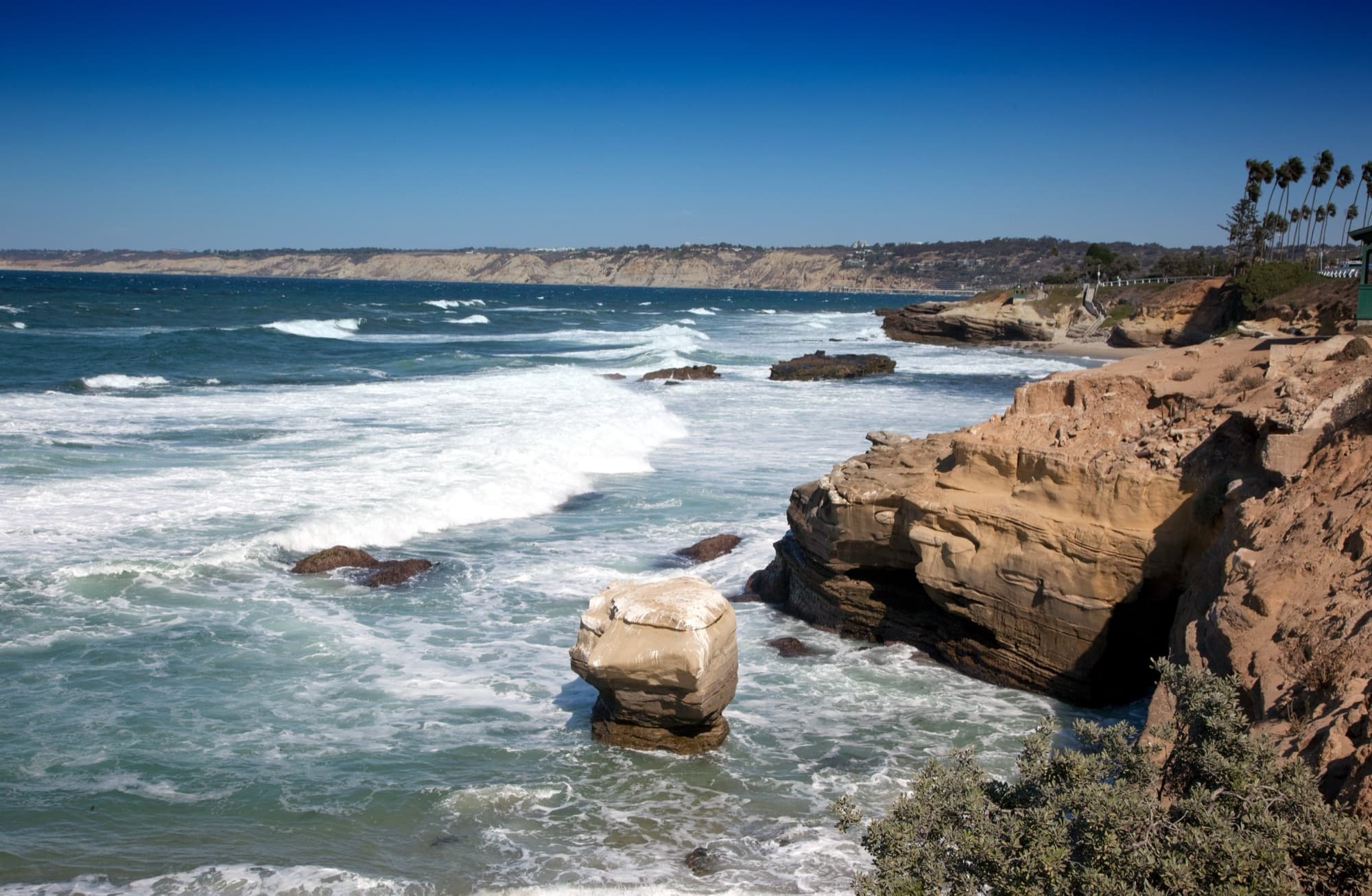
Small Actions, Big Impact
Sometimes saving the ocean can feel overwhelming. Climate change, pollution, habitat loss: the problems seem too big for one person to tackle. But here is the truth: every single action matters. When millions of people make small changes, the impact is enormous.
Here are five things you can start doing today, no matter your age.
1. Ditch Single-Use Plastics
This is the single most impactful change you can make in your daily life. Single-use plastics (water bottles, straws, plastic bags, food containers) are used for minutes but last in the environment for hundreds of years.
Easy swaps:
- Reusable water bottle instead of plastic bottles
- Cloth bags instead of plastic shopping bags
- Metal or paper straws instead of plastic straws
- Beeswax wraps instead of plastic wrap
- Reusable containers instead of Ziploc bags
The math: If you use one reusable water bottle instead of buying plastic bottles, you will save about 156 plastic bottles per year. Multiply that by your whole school, and the numbers are staggering.
2. Be a Drain Defender
Here in Southern California, most storm drains flow directly to the ocean with zero filtering. That means anything that goes down a storm drain (oil, soap, fertilizer, trash, pet waste) ends up in the Pacific.
What you can do:
- Never pour anything down a storm drain
- Pick up trash near storm drains in your neighborhood
- Use pet waste bags and dispose of them in the trash (not the gutter)
- If you wash your car, do it on grass (not the driveway) so soap gets filtered by soil
- Report clogged or overflowing drains to your city
3. Eat Sustainable Seafood
The fish and seafood we eat has a direct connection to ocean health. Overfishing is one of the biggest threats to marine ecosystems worldwide.
How to choose wisely:
- Check the Monterey Bay Aquarium Seafood Watch app, which rates seafood as "Best Choice," "Good Alternative," or "Avoid"
- Ask restaurants where their seafood comes from
- Choose local, sustainably caught fish when possible
- Try plant-based alternatives occasionally
You do not have to stop eating seafood. Just be thoughtful about your choices.
4. Reduce Your Carbon Footprint
Climate change is warming our oceans, causing coral bleaching, kelp forest die-offs, and shifts in marine ecosystems. Every bit of carbon we keep out of the atmosphere helps.
Youth-friendly actions:
- Walk, bike, or take public transit when possible
- Turn off lights and electronics when you are not using them
- Eat more plant-based meals (animal agriculture is a major carbon source)
- Support renewable energy by talking to your family about solar panels or green energy plans
- Plant trees and native plants (they absorb carbon from the air)
5. Speak Up and Show Up
Your voice matters more than you think. Young people have been behind some of the most powerful environmental movements in history.
Ways to use your voice:
- Volunteer: Join a beach cleanup, habitat restoration, or monitoring event
- Educate: Share what you learn with friends and family
- Advocate: Write letters to your elected officials about ocean protection
- Create: Make art, videos, or social media content about conservation
- Vote (when you are old enough): Support leaders who prioritize the environment
Even if you are not old enough to vote, you can attend city council meetings, sign petitions, and organize events at your school.
The Ripple Effect
When you make these changes, something powerful happens: people around you notice. Your friends see your reusable bottle and get one too. Your family starts choosing sustainable seafood. Your school starts a recycling program.
One person's actions create a ripple effect that spreads outward, just like a stone dropped in the ocean. You might not be able to see the full impact, but trust that it is there.
Start with one thing. Today. Right now. The ocean is counting on you.