Orca (Killer Whale)
Orcinus orca
The Ocean's Apex Predator
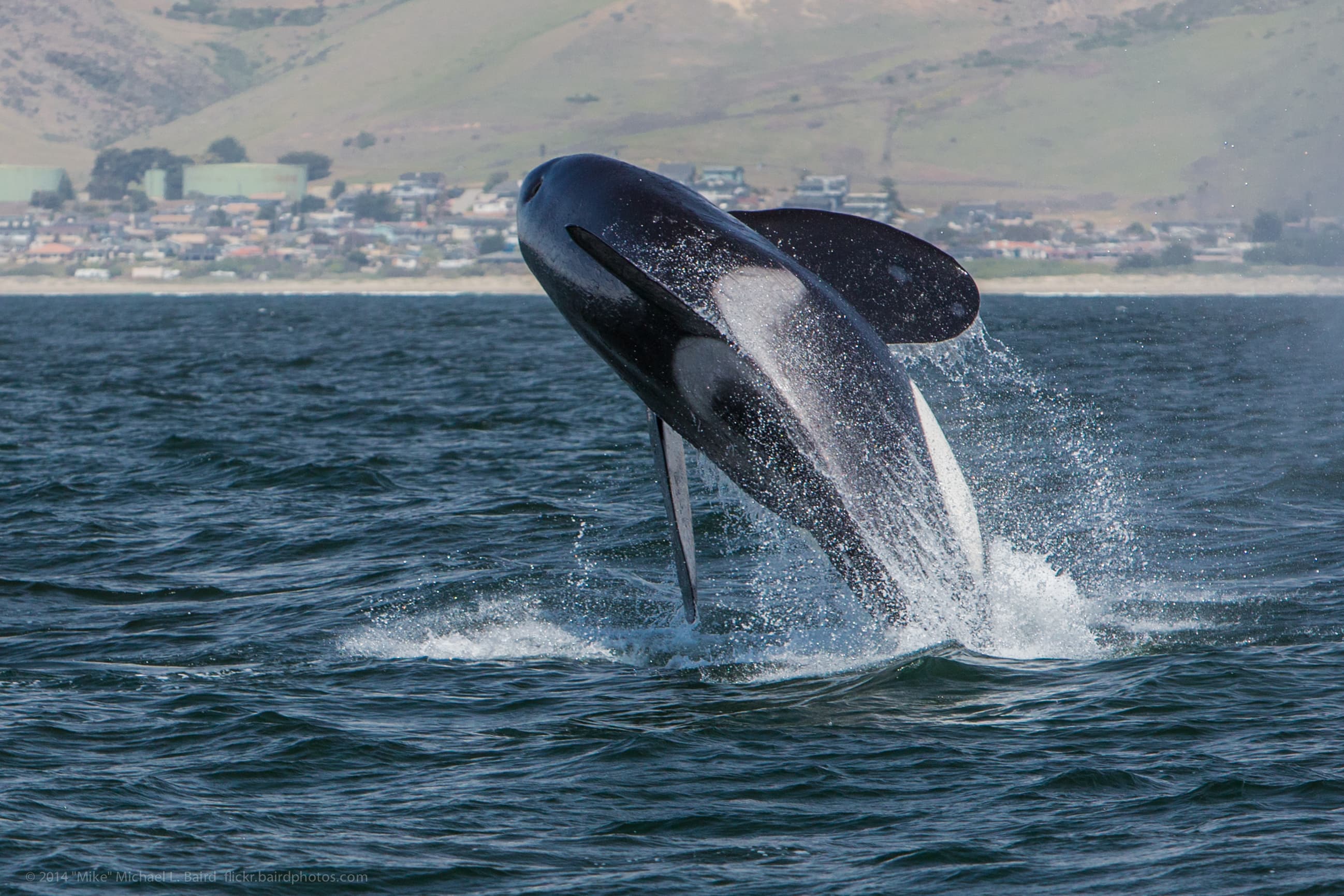
The orca, or killer whale, is one of the most recognizable and awe-inspiring animals in the ocean. Despite their common name, orcas are not whales at all. They are the largest members of the dolphin family, Delphinidae. Adult males can reach up to 32 feet in length and weigh as much as 12,000 pounds, with a towering dorsal fin that can stand nearly 6 feet tall. Females are slightly smaller, reaching about 23 feet. Their striking black-and-white coloring is unmistakable: a glossy black back and sides contrast with bright white patches on the belly, behind the eye, and near the tail. Each orca has a unique saddle patch behind its dorsal fin, which researchers use like a fingerprint to identify individuals.
Social Life and Family Bonds
Orcas are among the most social creatures on Earth. They live in tight-knit family groups called pods, which are led by the oldest female, known as the matriarch. These pods can include grandmothers, mothers, sons, daughters, and grandchildren, and family members stay together for life. Each pod communicates using a unique set of clicks, whistles, and pulsed calls that scientists describe as a dialect. Young calves learn these calls from their mothers and other family members, much like human children learn language. Orcas also cooperate when hunting, using sophisticated strategies that vary by population. Some groups work together to create waves that wash seals off ice floes, while others herd fish into tight balls before striking.
Ecological Importance
As apex predators, orcas play a critical role in maintaining the balance of ocean ecosystems. Different populations, called ecotypes, specialize in different prey. In the eastern North Pacific, there are three recognized ecotypes: Residents (who eat primarily salmon), Transients or Bigg's orcas (who hunt marine mammals like seals, sea lions, and even other whales), and Offshores (who feed on sharks and large fish). By controlling populations of their prey species, orcas help regulate the entire marine food web. When orca populations decline, the effects ripple through the ecosystem in unexpected ways.
Orcas in Southern California
Southern California waters are visited by all three eastern North Pacific ecotypes, though Bigg's (transient) orcas are the most commonly sighted. These marine mammal hunters follow gray whales during migration season, sometimes targeting calves in the shallow waters near the Channel Islands. Sightings of orcas off Dana Point, Point Loma, and the Palos Verdes Peninsula generate tremendous excitement among local whale watchers and researchers. The nonprofit Orca Conservancy and researchers with NOAA track Southern California sightings to better understand orca movement patterns and population health. For the OCINW community, orcas represent the ultimate symbol of ocean health, since when orcas thrive, it means the entire ocean ecosystem is functioning well.
Conservation: A Species in Crisis
The Southern Resident orca population, which inhabits the waters from the Pacific Northwest to central California, is federally listed as Endangered. As of recent counts, only about 74 individuals remain in this population. Their primary threat is starvation caused by declining Chinook salmon runs, compounded by toxic chemical contamination that accumulates in their blubber and is passed from mothers to calves through milk. Ocean noise from shipping traffic interferes with the echolocation they depend on to find food. While Bigg's transient orcas are faring better due to recovering marine mammal populations, the Southern Residents' plight is a stark reminder that even the ocean's top predator is vulnerable to human impacts. Every action we take to restore salmon habitat, reduce pollution, and quiet our oceans gives these magnificent animals a better chance at survival.